
When circularity creates trade-offs
Reusing materials can create clear benefits, but transport, contaminants, energy use and substitution effects can change the balance. Evidence helps identify where circularity really performs.
Evidence, analysis and field stories on soil, ecosystems, climate, geospatial intelligence and environmental innovation.
Reusing materials can create clear benefits, but transport, contaminants, energy use and substitution effects can change the balance. Evidence helps identify where circularity really performs.
Moving from a project output to a service requires a clear user, a repeatable method, an evidence standard and…
A baseline is not paperwork before the real work begins. It determines what change can be detected later, what…
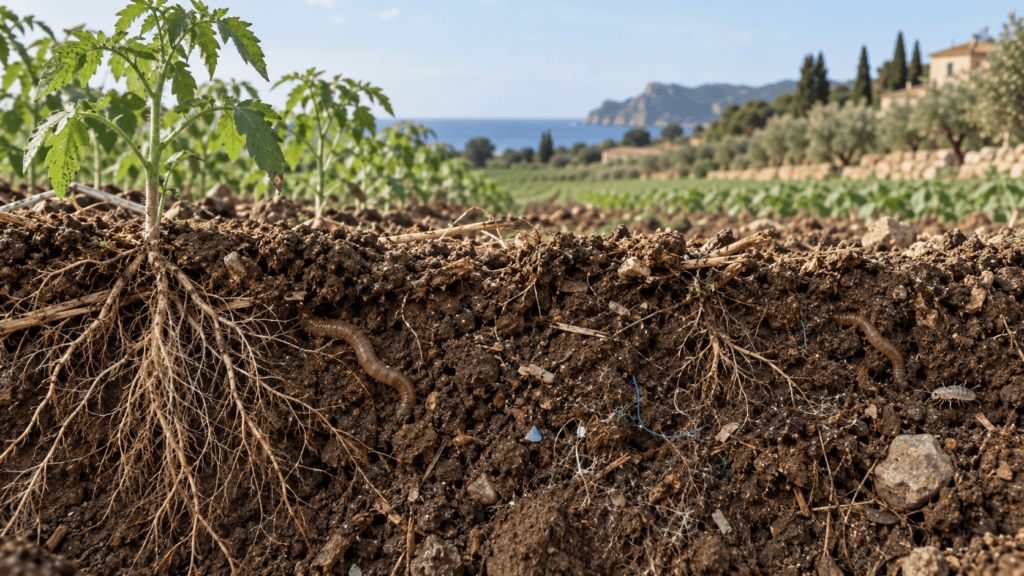
Soil health is rarely captured by one indicator. A robust assessment combines physical, chemical and biological evidence and interprets it in the context of land…
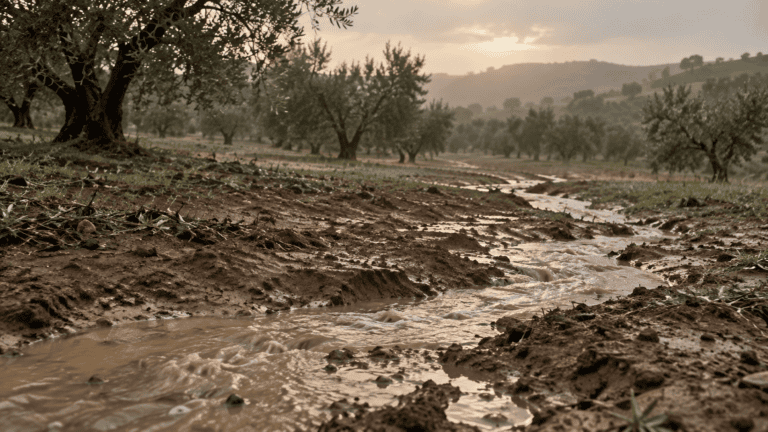
Resilience is more than resistance to a single event. It includes the capacity to absorb disturbance, recover function and adapt management when pressures become persistent.
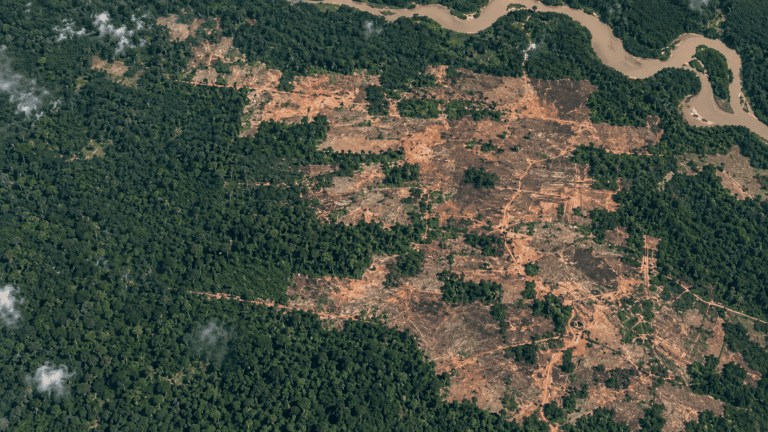
Earth observation helps move from isolated observations to spatial patterns. Vegetation, moisture, bare-soil and disturbance signals can be compared through time to support field decisions.
Reusing materials can create clear benefits, but transport, contaminants, energy use and substitution effects can change the balance. Evidence helps identify where circularity really performs.
Resilience can be read in patterns of vegetation, water, soil cover, connectivity and management. Strong assessments combine these dimensions instead of relying on a…
Combining field observations with spatial data can reveal where drought pressure is emerging, where recovery is slower and where additional sampling is most valuable.
Indicators become useful when they are connected to a management question. Five practical checks help move from a long list of measurements to a…
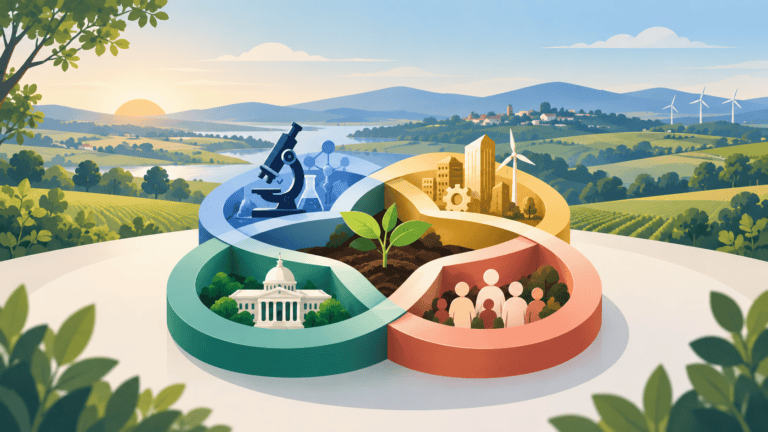
Environmental solutions work better when researchers, practitioners, businesses, authorities and communities shape them together. Co-creation brings local knowledge into the design process early.
Circularity can reduce waste and recover value, but environmental benefits should be demonstrated rather than assumed. Life-cycle thinking and field evidence help reveal trade-offs.
Resilience is more than resistance to a single event. It includes the capacity to absorb disturbance, recover function and adapt management when pressures become…
Good monitoring starts with the decision, not the sensor. The most useful systems define what change matters, how often it needs to be detected…
Earth observation helps move from isolated observations to spatial patterns. Vegetation, moisture, bare-soil and disturbance signals can be compared through time to support field…
Soil health is rarely captured by one indicator. A robust assessment combines physical, chemical and biological evidence and interprets it in the context of…
Welcome to WordPress. This is your first post. Edit or delete it, then start writing!