
In Afghanistan, crop failures and the loss of livelihoods are compounding hunger, debt and a lack of protection. As families run out of options, girls face greater risks.
No one should ever be treated as a bargaining chip in a family’s efforts to settle its debts. Yet that is what is happening in Afghanistan, as The Guardian reports today. The story has left me deeply troubled: girls are being promised in marriage in households already battered by drought, hunger and debt. (1)
When climate change destroys crops and leaves livestock without feed, the loss goes far beyond a single harvest. Livelihoods are undermined, household incomes collapse and poverty tightens its grip. As debts mount and aid is slow to arrive, policymakers fail to anticipate the scale of the crisis—or, in the face of climate-science denial, turn their backs on it. Families are left with little room to cope. In these conditions, survival becomes almost impossible.
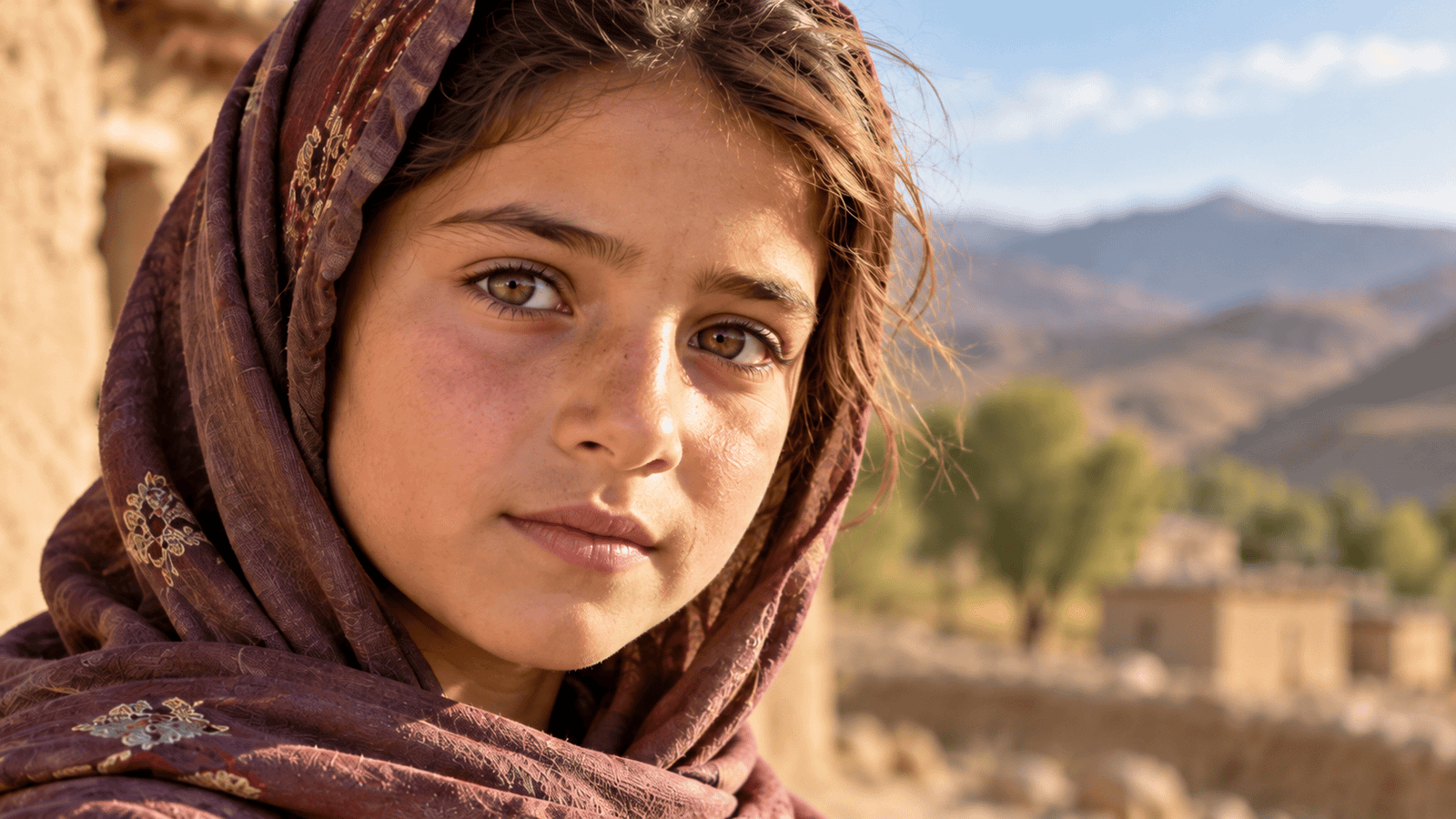
Under such pressure, some families resort to marrying off their daughters while they are still children, in order to repay debts, put food on the table or cover medical expenses. Child marriage is not new; what is particularly alarming is the very young age of some of the girls described here. Still, understanding the pressures families face does not make this an acceptable response. No girl should have to bear the cost of a crisis she did not cause, or see her future decided under the threat of hunger.
The climate emergency can never justify child marriage. The risk grows when poverty, the loss of livelihoods and displacement combine with inadequate protection and deeply entrenched patriarchal norms that deny girls the right to make decisions about their own lives. Girls’ exclusion from education and restrictions on women’s autonomy and access to employment further compound the problem. UNICEF warns that these barriers limit girls’ opportunities and make it harder for families to recover. (2)
Child marriage, of course, did not begin with the current drought. According to UNICEF, data from Afghanistan’s 2022–23 Multiple Indicator Cluster Survey (MICS) show that 28.7 per cent of women aged 20–24 were married before the age of 18. In some areas, the figure was as high as 50 per cent. These figures show that child marriage is a long-standing reality, not a practice that emerged with the current drought. (3)
Climate risks are also bearing down on millions of Afghan children. UNICEF estimates that more than 8.8 million—41 per cent of the country’s children—are exposed to at least three climate hazards, including drought, floods and heatwaves. When these shocks damage food production or make water harder to access, they also threaten children’s health, education and safety. (4)
The outlook is not the same across the country, and conditions can change. In July, FEWS NET reported that the 2026 harvest had temporarily improved food access in some areas. It also warned that falling household food stocks, fewer agricultural jobs and debts accumulated to buy food could worsen the situation from October. A better harvest may ease the pressure for one season; it cannot bring back livestock that has been sold, clear debts or restore a lost home. (5)
That is why action cannot wait until hunger has driven families to the brink. Research is needed to show how drought, falling incomes and risks to girls intersect, so decision-makers can anticipate where help is needed and target preventive measures. Food assistance and cash support must reach families before they exhaust their resources; safe water, education, healthcare and child-protection services are also essential. UNICEF stresses the importance of easing economic hardship for households and ensuring that girls can stay in school. (3)
Resilience to drought means more than restoring a harvest. It also means ensuring that no family has to weigh a daughter’s future against its own survival. Protecting water, soils and livelihoods cannot be separated from protecting the people who depend on them.
At NEST, we believe sustainability demands that we look beyond environmental impact and ask who bears its consequences. Climate adaptation must go hand in hand with rights, education and protection. A girl’s future must never become a family’s last remaining resource.
Sources
1. The Guardian (15 October 2026). Report on drought and child marriage in Afghanistan.
2. UNICEF Afghanistan (2026). Humanitarian Action for Children 2026.
3. UNICEF Afghanistan (11 October 2026). End Child Marriage, Invest in Girls. Protect their Futures.
4. UNICEF Afghanistan (16 June 2026). More than 8.8 million children in Afghanistan exposed to at least three climate hazards.5. FEWS NET (July 2026). Afghanistan Key Message Update: July 2026–January 2027.