
Why understanding what is happening is the first step towards making better decisions
Climate change is not a conversation about a distant future. It is already affecting water, crops, wildfires, cities and the way we plan. Understanding it through open, accessible data is not about causing alarm: it is about making better decisions.
“Climate change is already here.” Antonio Jordán López, researcher at the University of Seville, 2025.
There is no need to argue with a thermometer
A heatwave, a storm or an unusually dry summer does not, on its own, explain climate change. Weather changes from one day to the next. Climate, by contrast, is understood by looking across decades. That distinction matters.
That is exactly why we need long, comparable data series. Not to turn every extreme event into proof, but to find out whether a persistent trend sits behind natural variability. When we look at those long series, the warming signal stops being a personal impression and becomes something that can be measured, checked and discussed with evidence.
We are no longer talking only about what might happen
For years, climate change was often discussed in the future tense: what might happen by the end of the century, which scenarios could be reached, or which risks we would eventually have to face. But part of that conversation has changed. Antonio Jordán, a University of Seville researcher specialising in soils and wildfires, summed it up very directly: “climate change is already here” (University of Seville, 14 August 2025).
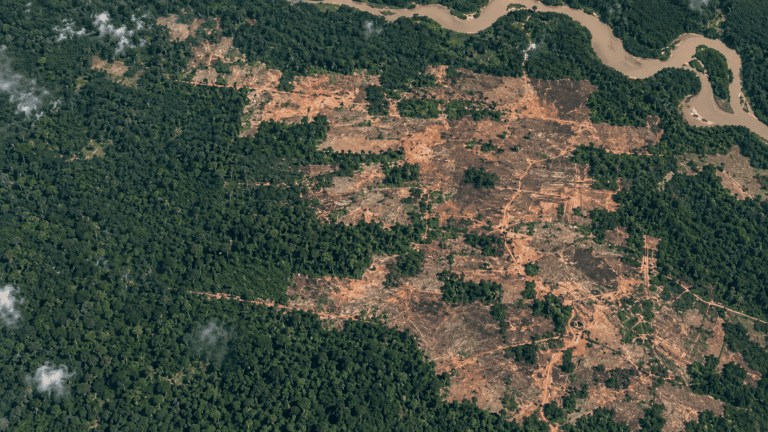
In the case of wildfires, this does not mean that climate is the only cause. The build-up of vegetation fuel, the abandonment of certain land uses, landscape structure and prevention remain crucial factors. What changes is the context: higher temperatures, drier conditions and water stress can favour more intense fires that are harder to control. The University of Seville itself has recently stressed the need for preparedness, planning, prevention and shared responsibility.
Data are not there to frighten us
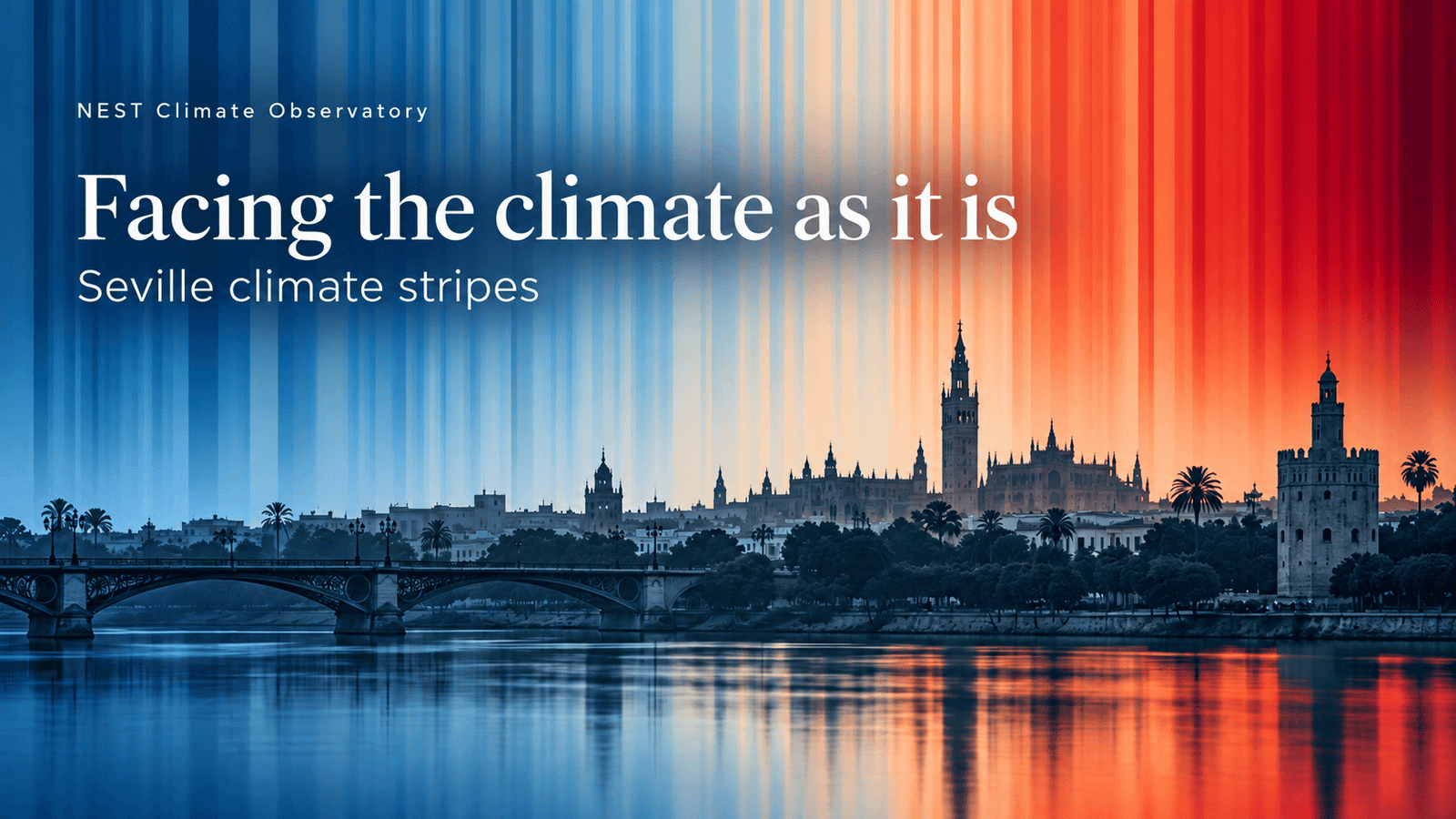
This is where the NEST Climate Observatory becomes useful. The idea is simple: anyone should be able to explore how temperature is changing without having to be a climatologist, programmer or statistics specialist. The Observatory uses open sources and historical series to show trends, anomalies and changes over time in a clear, visual and interactive way.
There is one important rule: a single data point never tells the whole story. One month can be unusually warm or cold. One year can depart from the trend. That is why the Observatory places the charts alongside a short interpretation and enough context to distinguish a temporary fluctuation from a signal that persists over decades.
Understanding in order to adapt
Accepting that the climate is changing does not mean giving up. It means understanding the reality we have to work with. Adaptation begins with very practical questions: which crops will be most vulnerable to heat? How should we manage water? Which urban areas need more shade? Which landscapes are more resilient to fire? How do we protect soil from drought, intense rainfall or erosion?
The answers will not be the same in Seville, Helsinki, London or rural Extremadura. That is why clear, localised information matters. Science helps us identify trends; land management, farming, urban planning and everyday decision-making have to turn those trends into practical action.
Farmers’ voices are part of the evidence too
People who work with the land every day often notice changes in practice before they appear in a report: sowing dates that no longer work in the same way, earlier flowering, new irrigation needs, warmer nights, heat stress, shifts in pests, or soils recovering differently after drought.
That knowledge does not compete with scientific data. It complements them. Listening to farmers, livestock keepers, forest managers and local communities helps us understand how a climate trend becomes a problem — or a need for adaptation — on the ground. Good decisions often come from bringing both perspectives together: robust data and lived experience.
A tool for seeing clearly amid the noise
The climate debate is surrounded by noise, oversimplified messages, vested interests and misinformation. But hiding, downplaying or exaggerating reality helps no one. The best response is to make information more accessible: show where the data come from, explain what they mean and be clear about their limitations.
Knowing what is happening will not, by itself, change the climate. But it does change our ability to anticipate, prioritise and decide. And in a context where some impacts are already being felt, better decisions are no longer a theoretical issue.
Sources and further reading
- University of Seville (14/08/2025). “A University of Seville expert links intense, multi-source wildfires to climate change”.
- University of Seville (28/07/2026). “Large wildfires will continue to form part of our landscape”.
- Antonio Jordán video shared for this draft (Facebook Reel).
Editorial note (do not publish): the Facebook link could not be verified directly in the review environment. Antonio Jordán’s quotation was cross-checked against the official University of Seville publication dated 14/08/2025.