
May 20, 2025
Are Intensive Crops Running Out of Steam? The Quiet Revolution Bringing
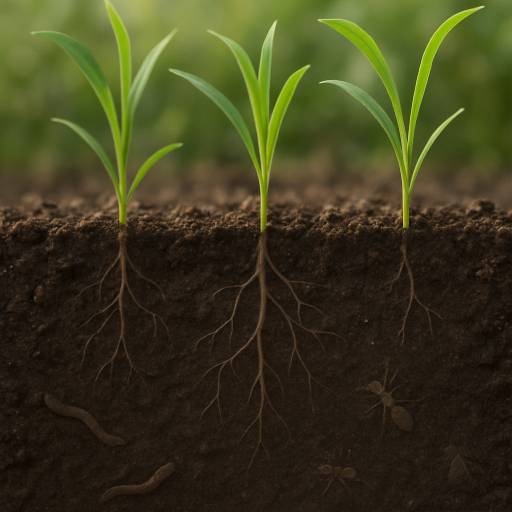
Soils Back to Life
Picture a tomato field that once burst with colour every summer. Today the plants are stunted, the soils cracks like burnt toast and the farmer has to pile on fertilizer just to break even. Swap tomatoes for wheat, maize or courgettes and the scene repeats itself from Andalusia to East Anglia. It’s tempting to shrug and blame bad luck—or the weather—but the real culprit is years of pushing the land harder than it can bear.
The encouraging part? Many growers are rewriting the script, swapping quick‑fix chemistry for practices that work with nature. Yields are bouncing back, soils are recovering and, in several cases, farmers are spending less than before. Here’s how it’s happening—and why it matters to all of us.
Why high‑input farming is hitting a wall
From the 1960s onwards, industrial agriculture promised endless growth: bigger tractors, more synthetic fertilisers, pesticides for every pest. For a time the approach delivered. But soil is not a factory line, and three problems have crept up on us:
1. “Tired soils” – Repeated ploughing and heavy doses of fertiliser strip out organic matter, leaving ground that can’t hold water or nutrients.
2. Stubborn pests and weeds – Spray the same chemical year after year and nature evolves around it, much like antibiotics losing their punch.
3. Plateauing yields – Studies show roughly a third of the world’s grain belts have stopped improving; some are sliding backwards despite rising costs.
That last point is key: each extra tonne of crop now demands more cash, more diesel and more risk, making farming harder to sustain.
What a different future looks like
Pennsylvania, USA – A four‑decade field trial finds that organic maize matches conventional yields in normal years and beats it by about 30 per cent in droughts, thanks to sponge‑like soils rich in life.
The Sahel, West Africa – Smallholders allow native trees to regrow among their millet. The shade reduces heat stress, fallen leaves feed the soil, and harvests rise roughly 30 per cent without extra fertiliser.
Kenya – Farmers combat maize borers by interplanting a fragrant legume that repels the pest and a border grass that lures it away. Yields nearly double, insecticide bills all but disappear and the legume doubles as animal feed.
The pattern is simple: bring back diversity—of plants, microbes, insects—and the farm ecosystem starts to do the heavy lifting for free.
Will going ‘green’ cut production?
Short answer: no. The first year or two can be a wobble while the soil adjusts, yet research and real‑world experience show yields often rebound and keep climbing. Add in lower spending on fertilisers and sprays, plus potential price premiums for eco‑labelled produce, and many farmers end up better off.
Why it matters beyond the farm gate
• Healthier food – Fewer synthetic residues, more flavour, often better nutrient profiles.
• Climate resilience – Living soils store carbon and soak up heavy rain, buffering both floods and droughts.
• Wildlife comeback – Hedgerows, cover crops and flower strips offer refuge for pollinators and birds that intensive fields drove away.
In short, fixing farming helps tackle climate change, biodiversity loss and food security at the same time.
Nest’s part in the story
At Nest we back growers keen to make the switch but unsure where to start. We offer practical workshops, small grants for cover‑crop seed or compost, and a community where farmers trade tips and troubleshoot together. Change is easier— and quicker—when no one has to go it alone.
What you can do
• Choose wisely – Support markets, box schemes or shops that source from regenerative or organic farms.
• Ask questions – A simple “How is this grown?” nudges retailers to find out—and to rethink their supply lines.
• Share success – When you read about a farmer turning degraded land into a thriving polyculture, pass it on. Stories inspire action.
The takeaway
Soil isn’t a lifeless medium; it’s a bustling world that feeds us when we look after it. The apparent decline of intensive cropping isn’t a prophecy of hunger—it’s a warning light urging a course correction. Farmers on every continent are proving that healthier land can yield plenty, often more reliably than before. The tools are already in our hands; all we need is the will to use them.
Will you lend your voice—and your fork—to the change?
